Chicago, IL 60602

FREE LIMITED CONSULTATIONS
 312-984-1514

-

- Home
- Attorney Curtis Bennett Ross
- Practice Areas
- Divorce
- Uncontested Divorce
- Contested Divorce
- Legal Separation
- Spousal Support
- Child Support
- Temporary Support Orders
- Complex Financial Issues
- Allocation of Parental Responsibilities
- Parenting Time / Visitation
- Child Relocation
- Same-Sex Parentage and Divorce
- Post Divorce Modifications and Enforcement of Orders
- Pre Nuptial and Post Nuptial Agreements
- Family Law
- Mediation
- GAL and Child Representatives
- Divorce
- Blog
- Contact Us
Recent Blog Posts
Is There a Time Limit for Establishing Paternity in Illinois?
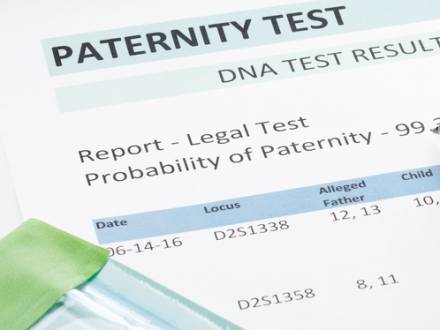
Paternity can be established in Illinois years after a child is born. When a child has no other legal parent, a parentage case can be started at any time while the child is under 18. After the child turns 18, only the child can start the case. When another man is already presumed to be the father or when someone has signed a Voluntary Acknowledgment of Paternity, though, strict deadlines can apply.
A Cook County, IL paternity lawyer can explain which time limits may apply to your family in 2026.
When Is There No Deadline to Establish Paternity in Illinois?
Under the Illinois Parentage Act of 2015, a case to establish parentage for a child with no presumed, acknowledged, or adjudicated parent may be started at any time (750 ILCS 46/607). This means no other person is already legally recognized as the child’s parent through a legal presumption, a signed acknowledgment, or a court order. This often covers children born to unmarried parents if they didn't establish paternity.
What Can Spousal Support Be Used For?

If a judge orders your ex to pay you spousal support, you might expect there to be rules about how you can use it. While spousal support is intended to help a spouse stay financially stable after a divorce, Illinois law doesn't have a specific list of what you can and cannot use support for.
A Chicago, IL spousal support attorney can help you understand what a maintenance order covers as you plan your finances in 2026.
Does Illinois Law Restrict How You Spend Spousal Maintenance?
Illinois law doesn't usually require you to account for how you spend spousal maintenance once it's deposited in your account. The court sets the amount and duration of maintenance under 750 ILCS 5/504. Factors like each spouse's income, their earning capacity, and the standard of living during the marriage help to determine the final amount. After that point, the statute gives no specific direction on how maintenance money is to be used.
How Can I Make My Ex Pay Child Support in Illinois?

Child support is one of the most important financial obligations a person can have. Past-due child support is one of the few debts that generally cannot be forgiven in bankruptcy, and ongoing failure to pay can also lead to criminal charges
If you’re a parent who should be receiving child support and isn’t, you have several options for collecting missed payments in 2026. A Rolling Meadows, IL family law lawyer can talk you through them.
What is the Easiest Way to Collect Missed Child Support Payments in Illinois?
Income withholding is often the most straightforward option to collect past-due support. When child support is ordered in Illinois, the order typically includes a withholding provision to be sent to the paying parent’s employer (750 ILCS 28/20). This provision enables the paying parent’s employer to withhold the required amount from their paycheck and send it to the State Disbursement Unit for processing.
What Happens if My Ex and I Can’t Agree on a Parenting Plan?

Parenting plans are a necessary part of custody proceedings in Illinois. If parents agree, they can submit one plan together. If they do not agree, each parent generally submits a proposed plan, and the court will order mediation unless there is a reason mediation would not be appropriate. If the parents still cannot agree, a judge will decide the disputed issues based on the child’s best interests.
A Cook County, IL child custody attorney can advise you if you and your co-parent are having trouble agreeing on a parenting plan in 2026.
Are Approved Parenting Plans Required in Illinois?
Under 750 ILCS 5/602.10, parents usually must file a proposed parenting plan within 120 days after a petition for allocation of parental responsibilities is served or filed. The parents can file one plan together or file separate plans. The court can extend the deadline for good cause.
Is It Too Late for a Postnup If We Are Considering Divorce?
 A postnuptial agreement can help married couples decide how certain financial matters will be handled if they later divorce. If you and your spouse are already considering divorce, you may wonder whether it is too late to negotiate one.
A postnup may or may not be a viable option depending on the circumstances. However, even if you’ve missed the ideal window for drafting a postnuptial agreement, a Chicago postnuptial agreement lawyer can help you understand other possibilities for maintaining control of your assets if your marriage ends.
Can You Still Sign a Postnuptial Agreement If You’re Considering Divorce in Illinois?
Illinois spouses can enter into a postnuptial agreement after marriage. However, if divorce is already expected, the agreement’s purpose and the circumstances surrounding its execution may affect how it is classified and enforced.
What Is a Home Study and When Is It Required?
 A home study is an investigation of a person's background, household, and ability to care for a child.
Home studies are most common in adoption and foster-care proceedings. In a disputed parenting case, a court may also order an investigation that includes an assessment of one or both parents’ homes.
Depending on the type of case, it may be conducted by a child welfare agency or another qualified professional appointed or approved by the court. If you're facing a home study in 2026, a Cook County, IL family law attorney can help you understand what's expected and how to prepare.
What Does a Home Study in Illinois Involve?
Home studies are thorough. A licensed investigator gathers information from several sources to build a complete picture of the household and the people in it.
Is Parentage Automatic for Same-Sex Couples in Illinois?
 "Parentage" refers to the legal relationship of parents to their children. Whether a same-sex couple is assumed to be the legal parents of their children depends mostly on whether that couple is married or not. This is very similar to how the law treats parentage in heterosexual couples.
Even for married same-sex couples, however, there are some additional steps that are worth considering. These can reinforce the legal ties to any children. If you and your partner are wondering how you can ensure that Illinois law will recognize your relationship with your child in 2026, a Skokie, IL parentage lawyer can help.
How Does Illinois Establish Parentage for Married Same-Sex Couples?
Under the Illinois Parentage Act of 2015 (750 ILCS 46/204), spouses are automatically presumed to be the legal parents of any child born during their marriage. This is true of same-sex couples as well as heterosexual ones. No separate filing is required at birth to establish parentage in these cases. At birth, only the gestational or birth parent is automatically listed on the child’s birth certificate. The second parent can be added after parentage is established.
Essential Things to Consider Before You Relocate with Your Children
 Parents may want to relocate for many reasons, such as a new job, educational opportunities, family support, or a fresh start. However, if they share custody or parenting time with another parent, they must proceed carefully before moving with their child. Failing to follow the law could lead to serious legal consequences.
If you are interested in relocating with your child in 2026, a Rolling Meadows parental relocation lawyer can help you make sure you follow the proper procedures.
Why Are Co-Parents Required to Follow Relocation Laws in Illinois?
When a move would affect an existing parenting arrangement, Illinois law requires additional steps once the relocation exceeds certain distance limits. In these situations, courts focus on the child's best interests when deciding issues related to parenting time, decision-making responsibilities, and the potential impact of the move on the child's relationship with each parent.
Can Child Support Be Modified Without Going to Court in Illinois?
 Child support orders aren't designed to stay exactly the same until the child grows into an adult. Circumstances change, and orders can change with them. Whether or not this can be done outside of a courtroom depends on how your original child support order was established.
If you need to change a child support order in 2026, a Chicago, IL child support lawyer can help you understand what options are available to you.
How Does Your Type of Child Support Order Affect the Modification Process in Illinois?
Illinois has two main types of child support orders: judicial orders and administrative orders. The type you have determines where and how modification happens.
Judicial Orders
A judicial order is one that was entered by a family law court. These are often part of a divorce, parentage, or custody case. If you have a judicial order, any modification has to go through the court. You file a petition and must then demonstrate to the court that the old order isn’t working anymore. The court then decides whether to modify the order.
Should Every Illinois Business Owner Have a Prenup?
 If you own a business and you're getting married, a prenuptial agreement deserves serious consideration. This is true whether your business is a small startup, a family operation you inherited, or a well-established company. No one likes to go into marriage imagining how the chips would fall if things were to go wrong. However, divorce can put a business at significant financial risk. Having some protections can give you peace of mind and security as you begin this new chapter.
A premarital agreement is one of the most reliable tools for protecting a business. If you're weighing this decision in 2026, a Skokie prenuptial agreement attorney can help you understand the benefits of writing up a prenup.
What Happens to a Business Without a Prenup in an Illinois Divorce?
Illinois is an equitable distribution state. This means marital property is divided fairly but not necessarily equally. The courts make decisions about what is marital and non-marital property based on the Illinois Marriage and Dissolution of Marriage Act (750 ILCS 5/503). A business you owned before the marriage is generally considered non-marital property. However, many business owners find that the line between their personal and business finances blurs over time. In this case, some of the business may be marital property.
100 North LaSalle Street, Suite 1111, Chicago, IL 60602
312-984-1514

